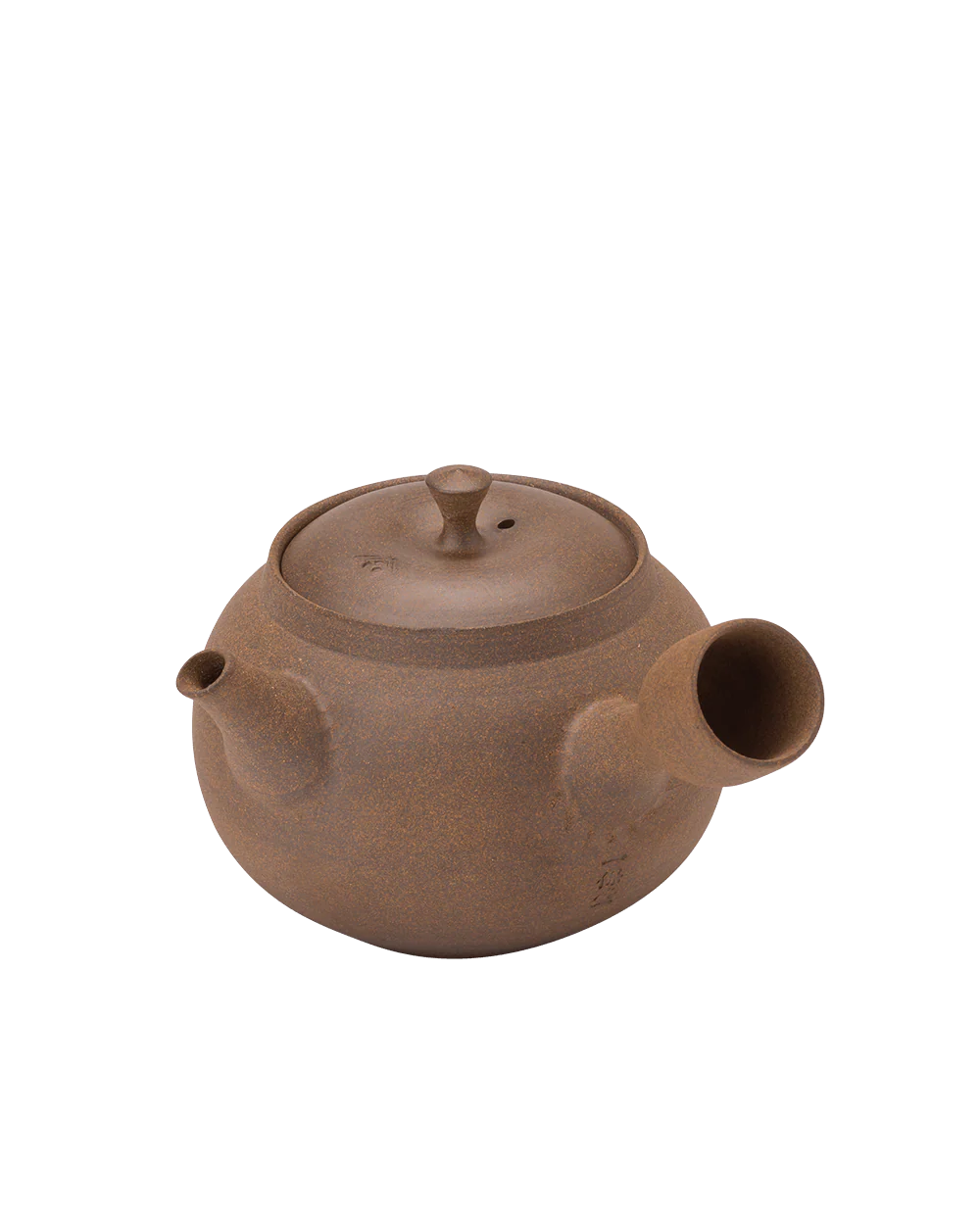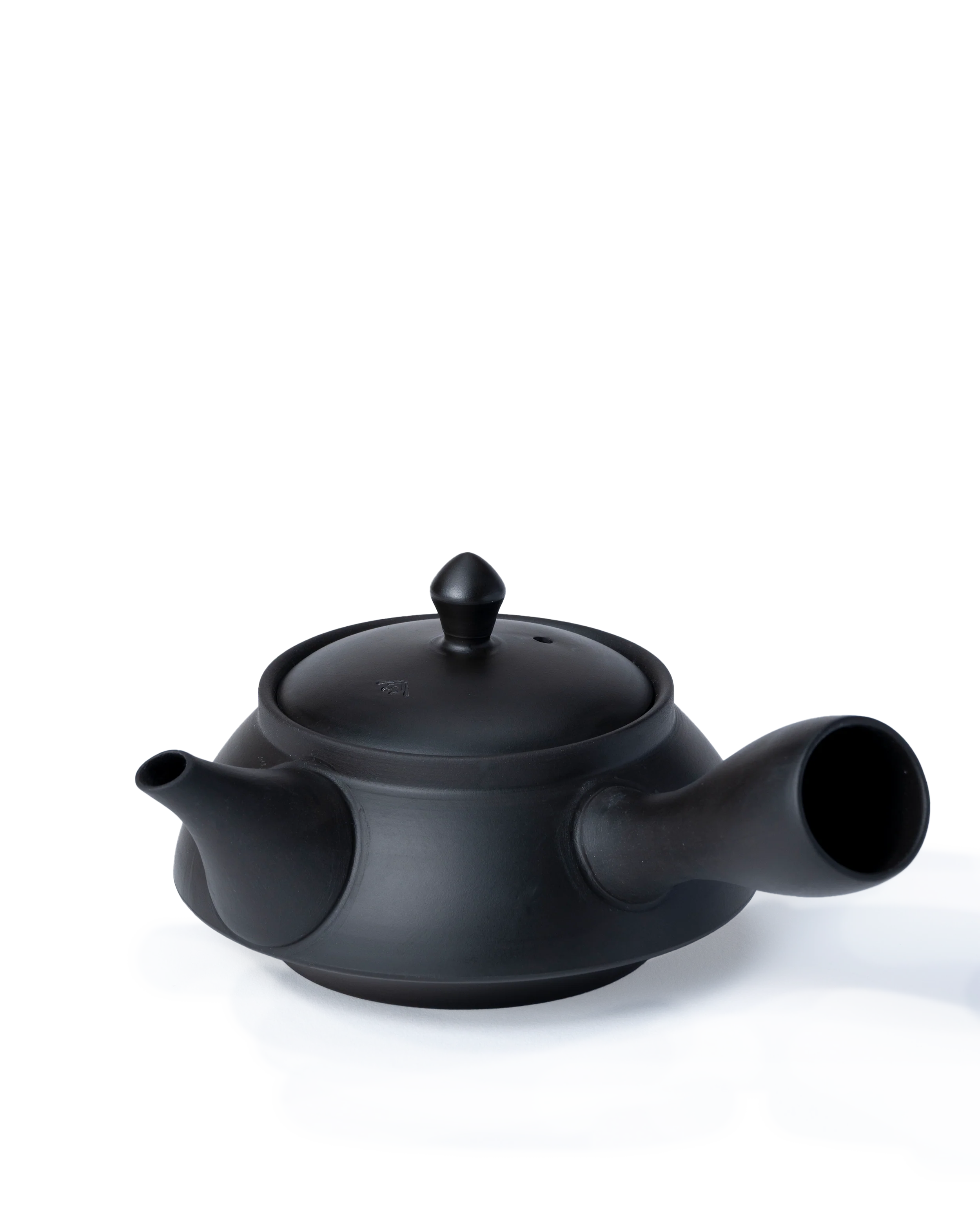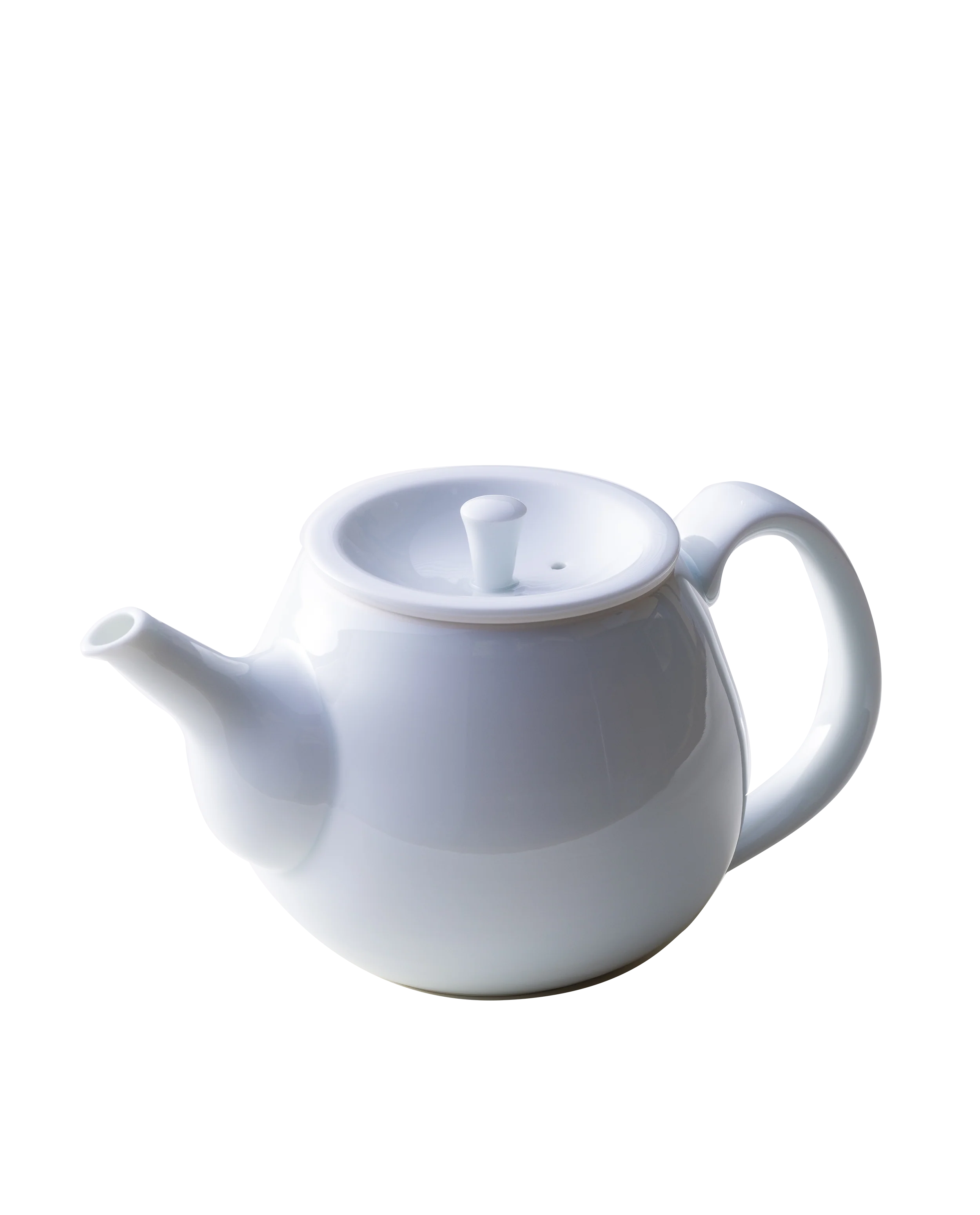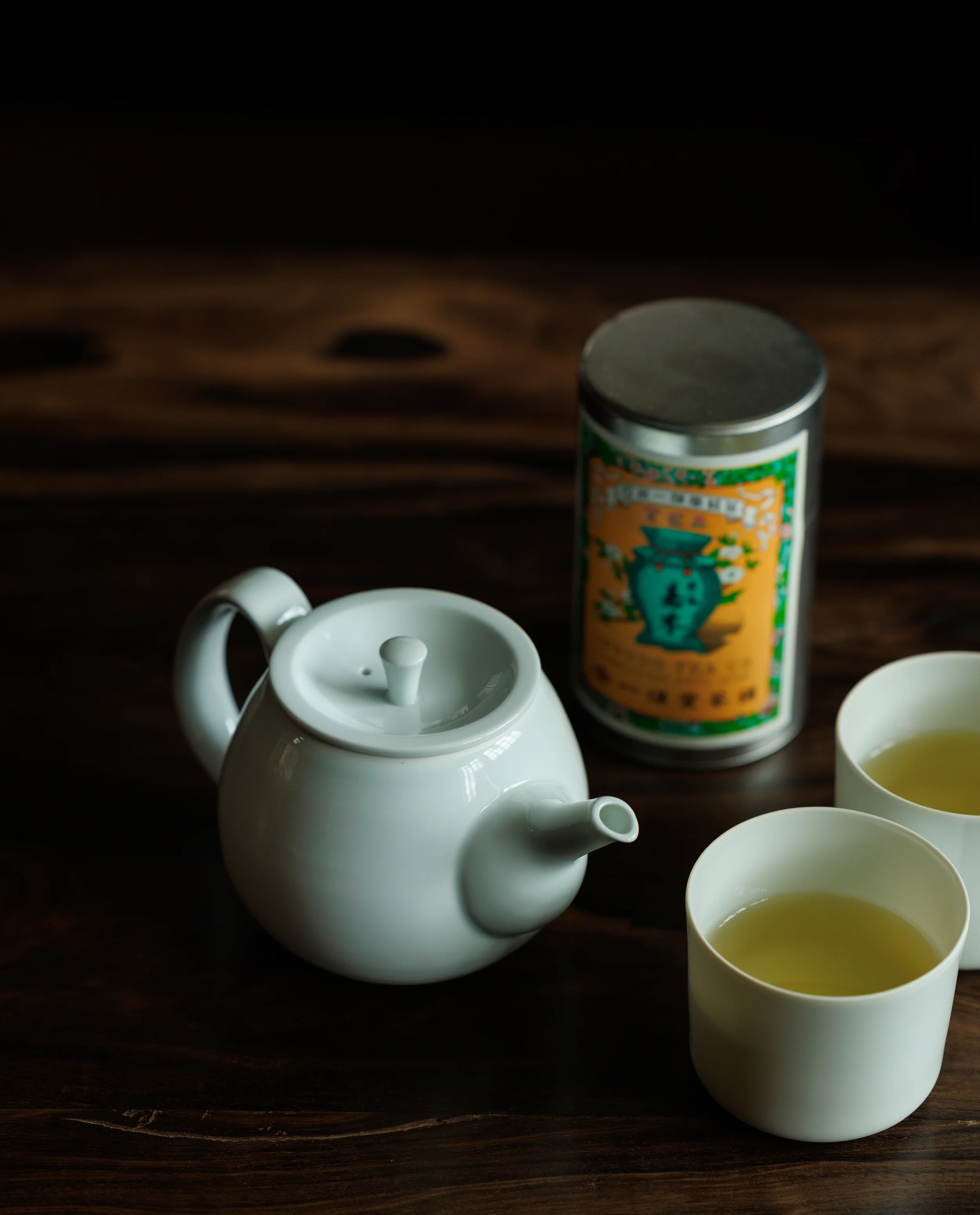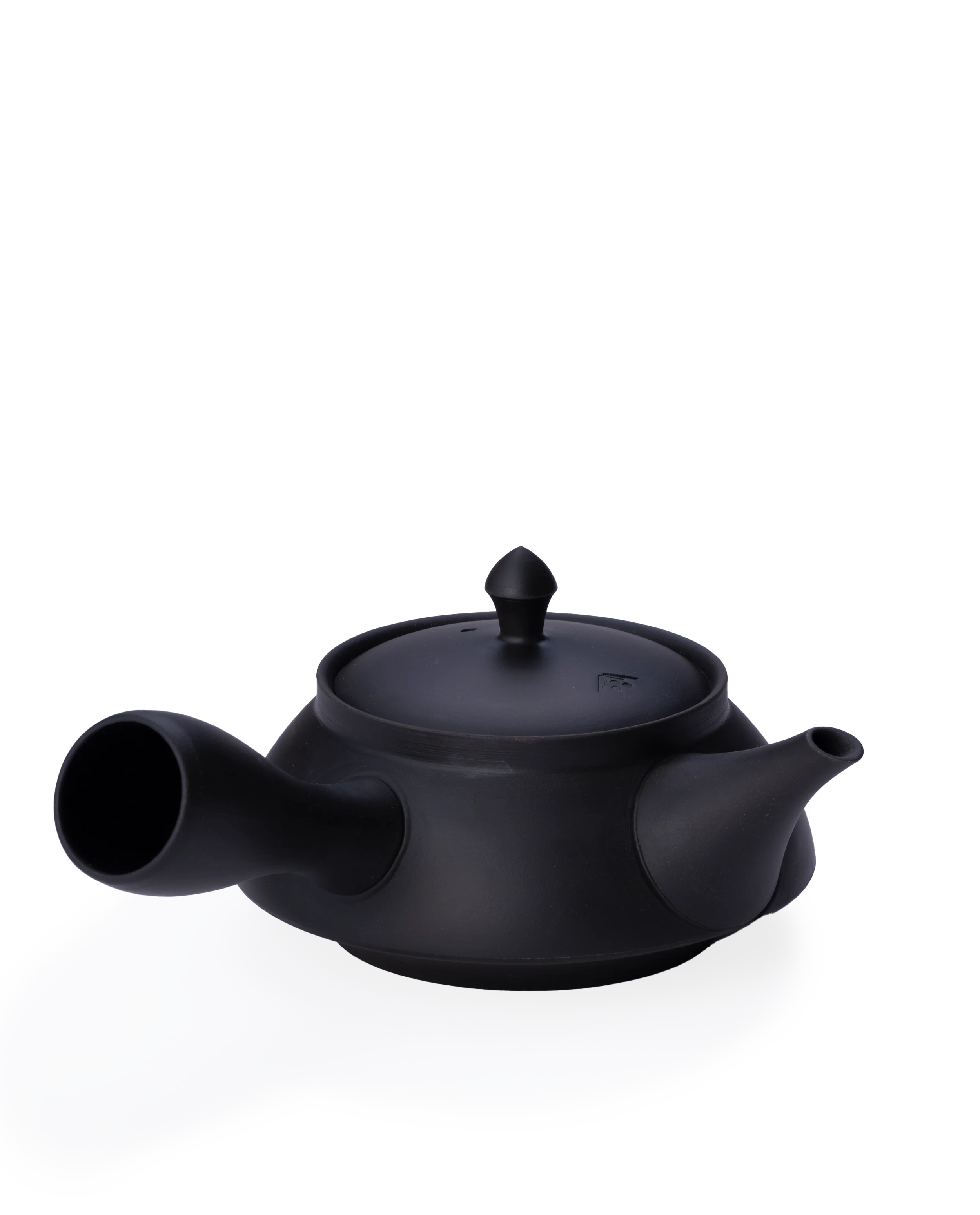
Left-handed Black Kyusu Teapot (Tokoname-yaki)
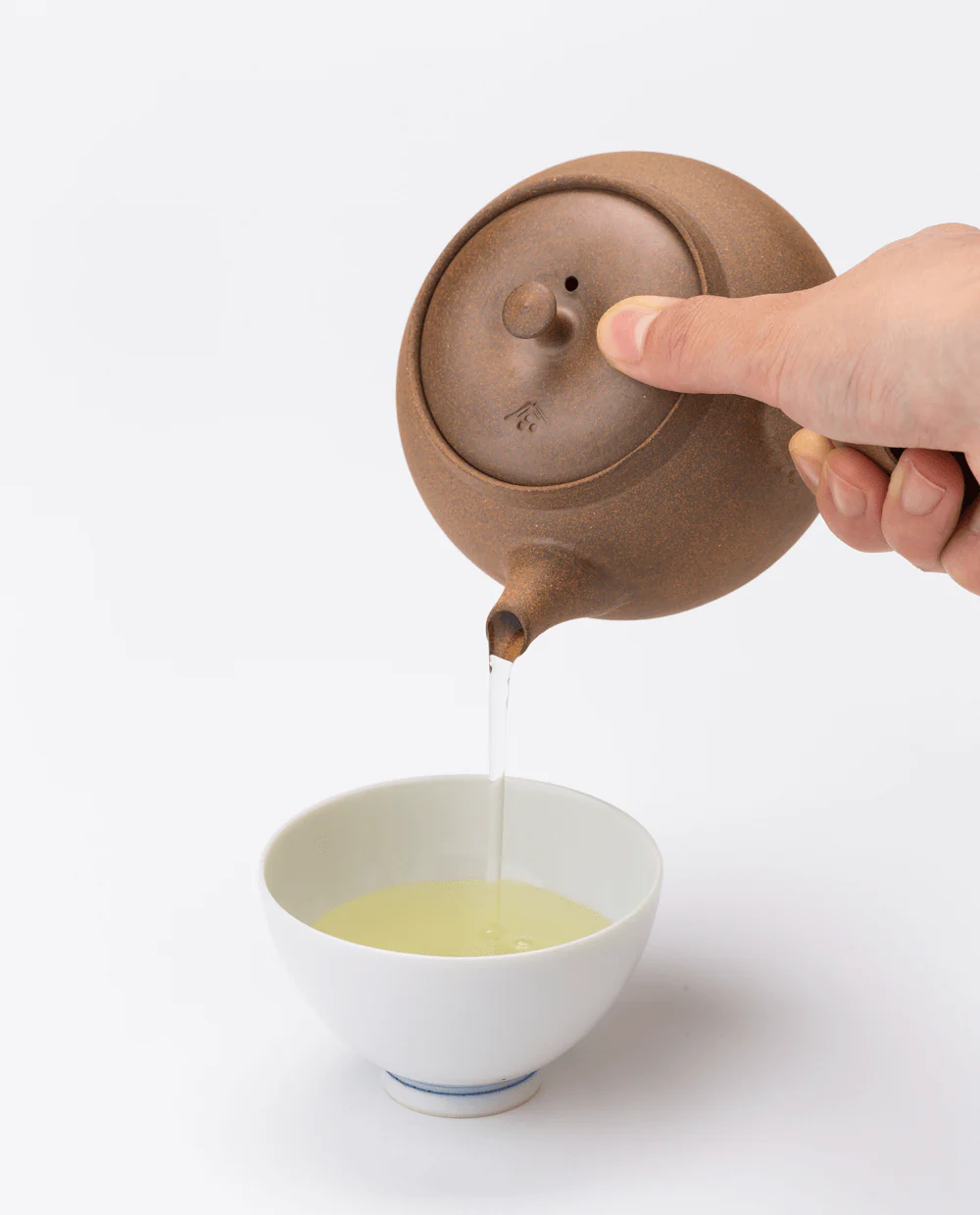
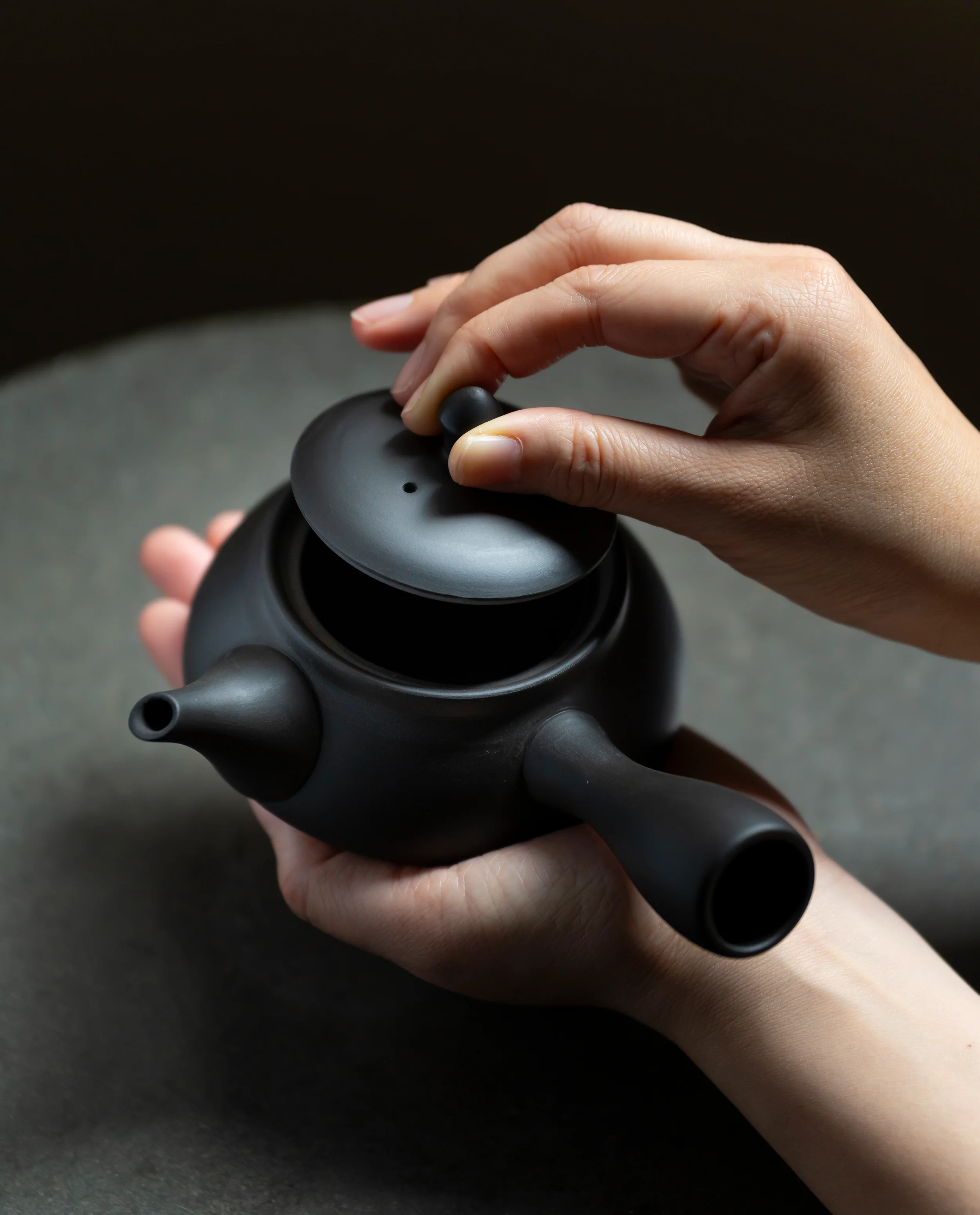
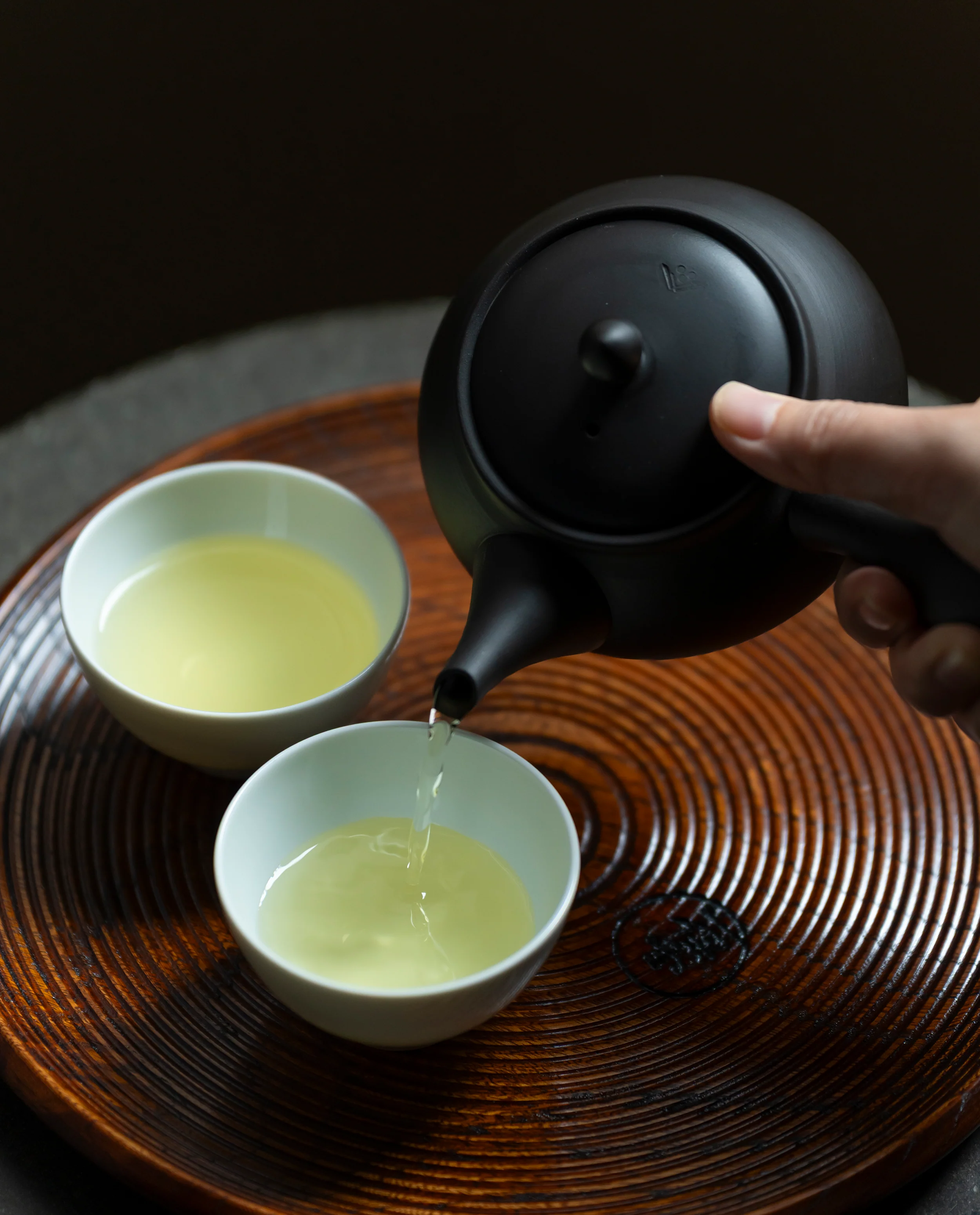
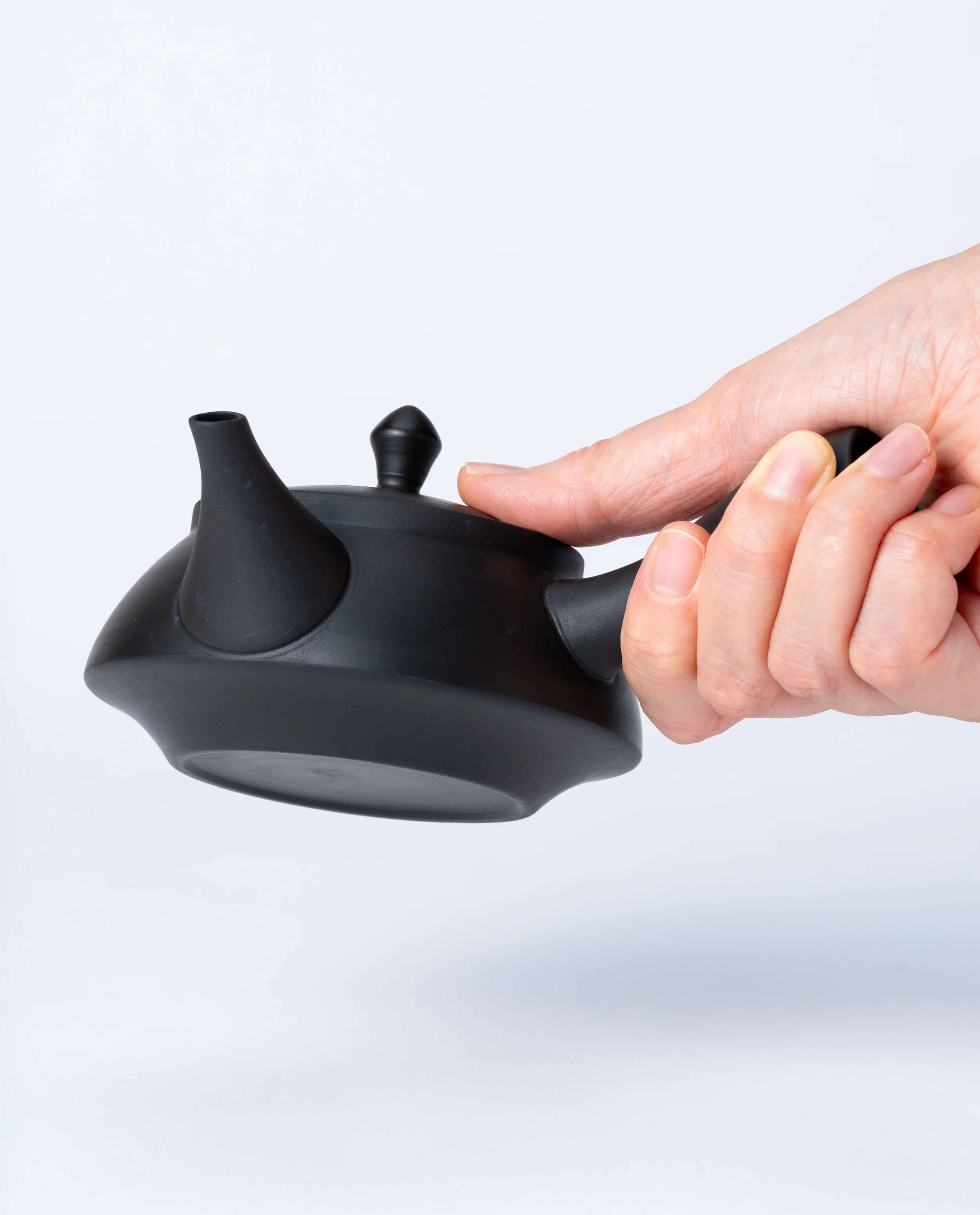
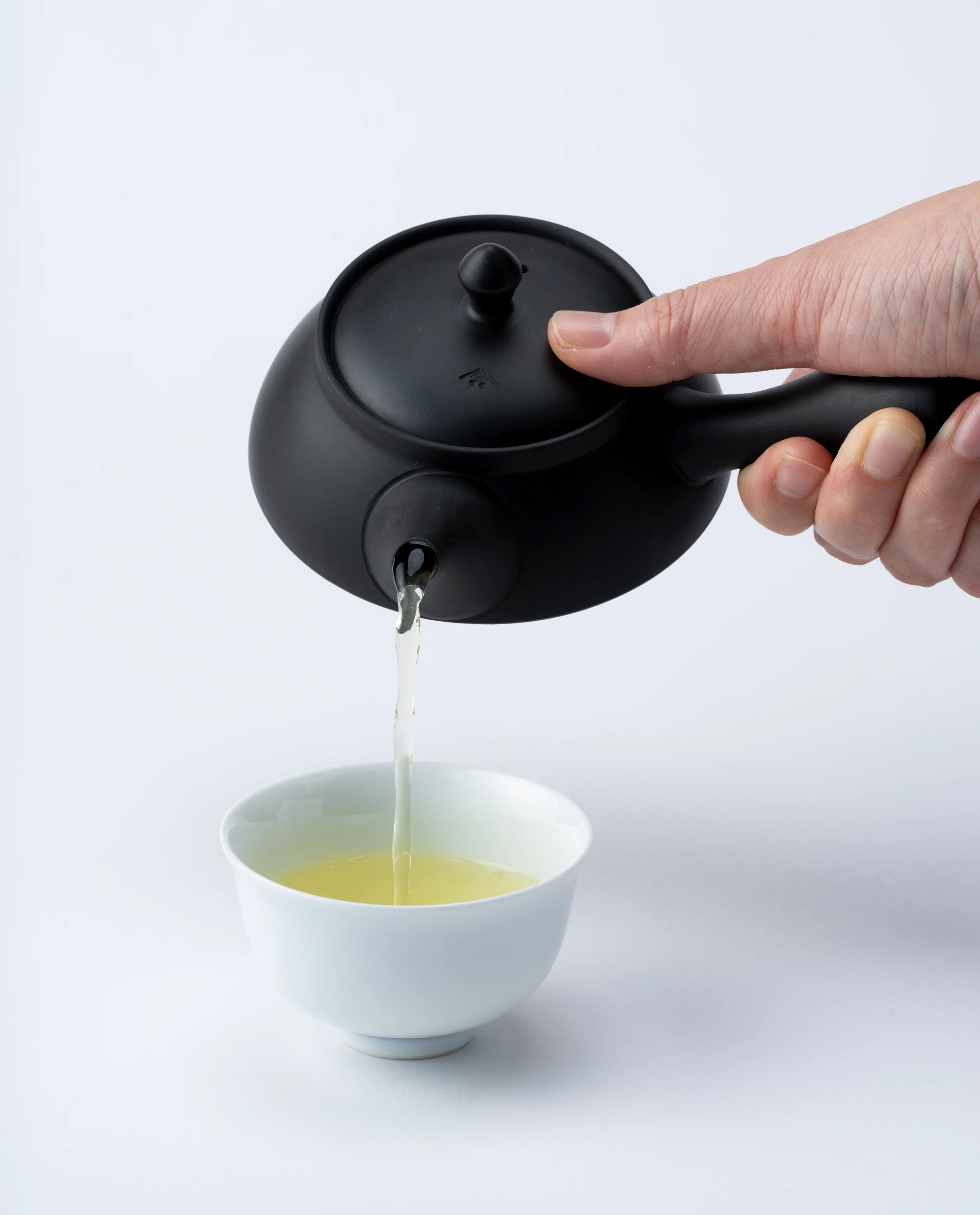
This shallow kyusu allows you to clearly see the tea leaves. Appreciate how different the tea leaves look with each potful!
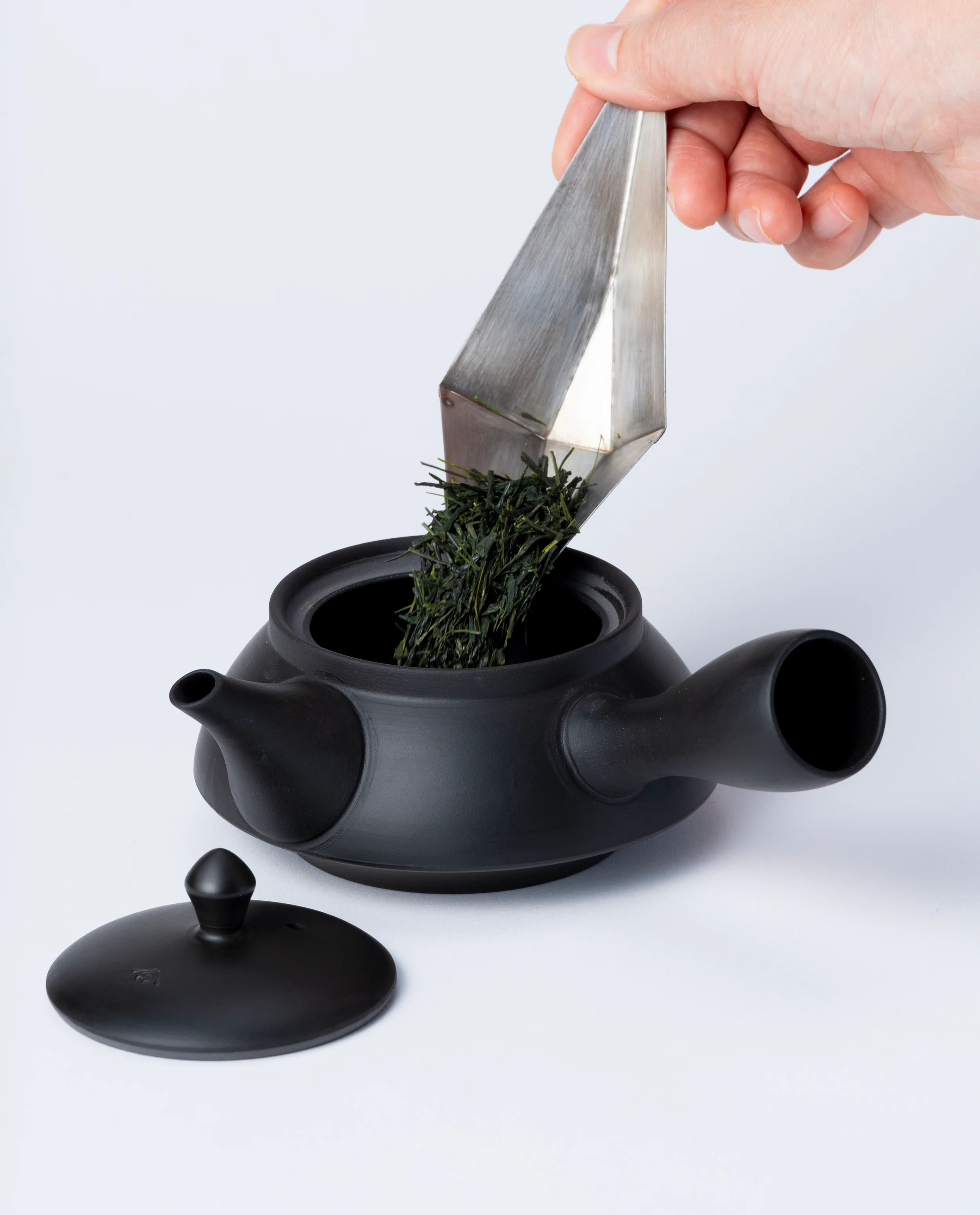
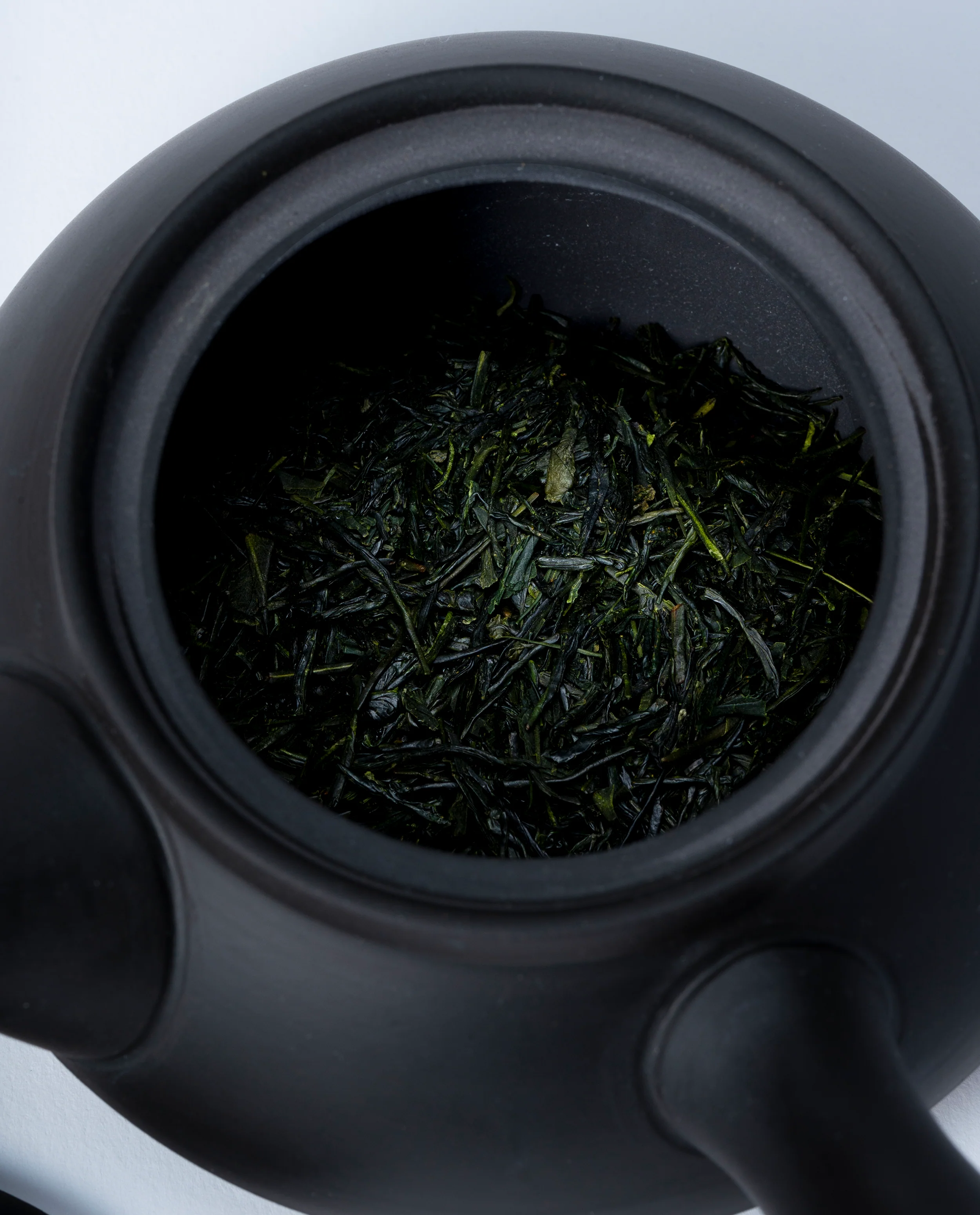
Gyokuro and sencha tea leaves possess an attractive dark green colour. With each pot of tea you make using the same tea leaves, the green, tightly twisted tea leaves slowly change colour and gradually unravel.
If you take the lid off right after preparing the tea, and carefully observe how the tea leaves and their fragrance have changed, you can tell whether the water was too hot, or you brewed the tea too long, or whether you made a perfect batch of tea.
Developing a better understanding of the tea leaves allows you to make fine adjustments to how you prepare the tea. We want you to experience close up how they change colour and shape, and their fragrance. This kyusu was designed with the aim of allowing you to pay closer attention to the tea leaves. It's also great for people who have never had a kyusu before.
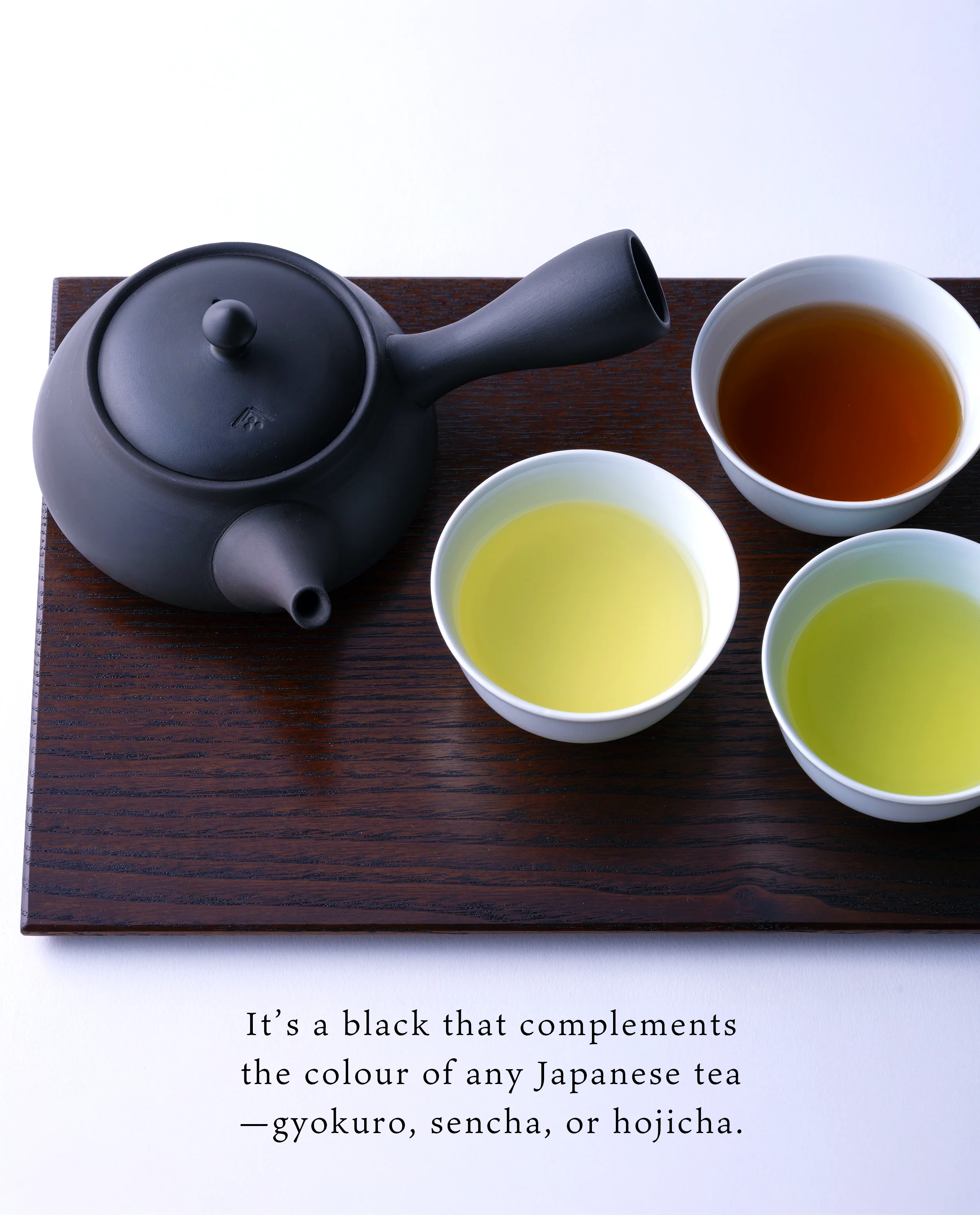
Black brings out the vivid green of the tea leaves.
Inspection is an absolutely essential part of producing Ippodo tea. We check tea leaves in an inspection room that faces north and has stable lighting, with no direct sunlight, and use a specially designed black examination tray on a black counter to view the shape and lustre of the tea leaves, and see how they feel and smell, and we also use them to prepare tea. Black is a darker colour than the tea leaves, so it is less affected by light, making it easier to view the tea leaves clearly. This Black Kyusu Teapot allows you to see exactly what’s going on with the tea leaves. Enjoy seeing how the tea leaves change shape and colour each time you make another pot using the same leaves.
 A pot full of tightly twisted dark green tea leaves, and one with vivid green leaves, unravelled after the first brew.
How do Ippodo staff use it?
After each brew, we take the lid off and check the leaves, noticing how they change in appearance. Many of us drink sencha to wake up in the morning, genmaicha with meals, and hojicha at night. Alternating between different types of tea like this is part of the fun of Japanese tea. The kyusu also makes a good gift for friends who enjoy Japanese tea.
Original: $44.39
-70%$44.39
$13.32More Images
Left-handed Black Kyusu Teapot (Tokoname-yaki)
This shallow kyusu allows you to clearly see the tea leaves. Appreciate how different the tea leaves look with each potful!
Gyokuro and sencha tea leaves possess an attractive dark green colour. With each pot of tea you make using the same tea leaves, the green, tightly twisted tea leaves slowly change colour and gradually unravel.
If you take the lid off right after preparing the tea, and carefully observe how the tea leaves and their fragrance have changed, you can tell whether the water was too hot, or you brewed the tea too long, or whether you made a perfect batch of tea.
Developing a better understanding of the tea leaves allows you to make fine adjustments to how you prepare the tea. We want you to experience close up how they change colour and shape, and their fragrance. This kyusu was designed with the aim of allowing you to pay closer attention to the tea leaves. It's also great for people who have never had a kyusu before.
Black brings out the vivid green of the tea leaves.
Inspection is an absolutely essential part of producing Ippodo tea. We check tea leaves in an inspection room that faces north and has stable lighting, with no direct sunlight, and use a specially designed black examination tray on a black counter to view the shape and lustre of the tea leaves, and see how they feel and smell, and we also use them to prepare tea. Black is a darker colour than the tea leaves, so it is less affected by light, making it easier to view the tea leaves clearly. This Black Kyusu Teapot allows you to see exactly what’s going on with the tea leaves. Enjoy seeing how the tea leaves change shape and colour each time you make another pot using the same leaves.
A pot full of tightly twisted dark green tea leaves, and one with vivid green leaves, unravelled after the first brew.
How do Ippodo staff use it?
After each brew, we take the lid off and check the leaves, noticing how they change in appearance. Many of us drink sencha to wake up in the morning, genmaicha with meals, and hojicha at night. Alternating between different types of tea like this is part of the fun of Japanese tea. The kyusu also makes a good gift for friends who enjoy Japanese tea.
Product Information
Product Information
Shipping & Returns
Shipping & Returns
Description
This shallow kyusu allows you to clearly see the tea leaves. Appreciate how different the tea leaves look with each potful!
Gyokuro and sencha tea leaves possess an attractive dark green colour. With each pot of tea you make using the same tea leaves, the green, tightly twisted tea leaves slowly change colour and gradually unravel.
If you take the lid off right after preparing the tea, and carefully observe how the tea leaves and their fragrance have changed, you can tell whether the water was too hot, or you brewed the tea too long, or whether you made a perfect batch of tea.
Developing a better understanding of the tea leaves allows you to make fine adjustments to how you prepare the tea. We want you to experience close up how they change colour and shape, and their fragrance. This kyusu was designed with the aim of allowing you to pay closer attention to the tea leaves. It's also great for people who have never had a kyusu before.
Black brings out the vivid green of the tea leaves.
Inspection is an absolutely essential part of producing Ippodo tea. We check tea leaves in an inspection room that faces north and has stable lighting, with no direct sunlight, and use a specially designed black examination tray on a black counter to view the shape and lustre of the tea leaves, and see how they feel and smell, and we also use them to prepare tea. Black is a darker colour than the tea leaves, so it is less affected by light, making it easier to view the tea leaves clearly. This Black Kyusu Teapot allows you to see exactly what’s going on with the tea leaves. Enjoy seeing how the tea leaves change shape and colour each time you make another pot using the same leaves.
A pot full of tightly twisted dark green tea leaves, and one with vivid green leaves, unravelled after the first brew.
How do Ippodo staff use it?
After each brew, we take the lid off and check the leaves, noticing how they change in appearance. Many of us drink sencha to wake up in the morning, genmaicha with meals, and hojicha at night. Alternating between different types of tea like this is part of the fun of Japanese tea. The kyusu also makes a good gift for friends who enjoy Japanese tea.